FFS at the Electric Factory
Just Bizarre Enough To Feel A Bit Like Getting A Guitar To The Face.
The first time I saw Franz Ferdinand live, Nick McCarthy accidentally smacked my friend in the face with his guitar—so hard he nearly blacked out. It was 2004, and the band was playing a small club in Philly. I was already obsessed with their debut album, but watching John take a guitar to the noggin definitely sealed the deal for me.
I’ve seen Franz several times since then, and they never disappoint. Their catalog practically begs to be played live and each show pops thanks to the sheer talent packed into the lineup. Their newest detour mashes their post-punk sharpness with Sparks’ proto-punk quirks, resulting in the wonderfully weird collaboration, FFS.
For most Americans, Sparks’ name still conjures their bubbly 1983 hit “Cool Places” with Go-Go’s icon Jane Wiedlin. Their genre-defying music merges art house with dance, earning them a cult following, but never really translating to chart success in the US.
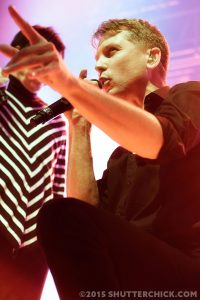
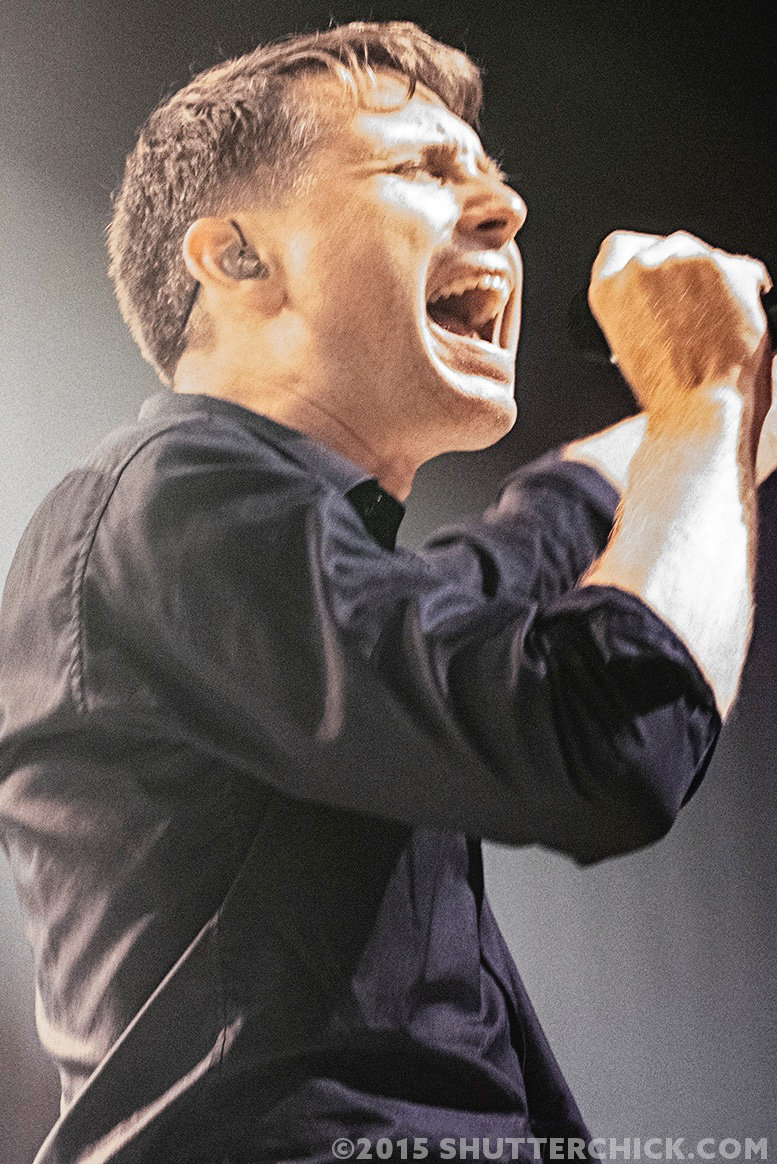
The FFS experiment rolled into The Electric Factory on Saturday, earning enthusiastic approval from fans of both bands. I showed up not quite knowing what to expect; the album has some great moments, but a few tracks stray into “quirky for quirky’s sake.” Onstage, however, everything clicked—the songs made way more sense live than they did on the album.
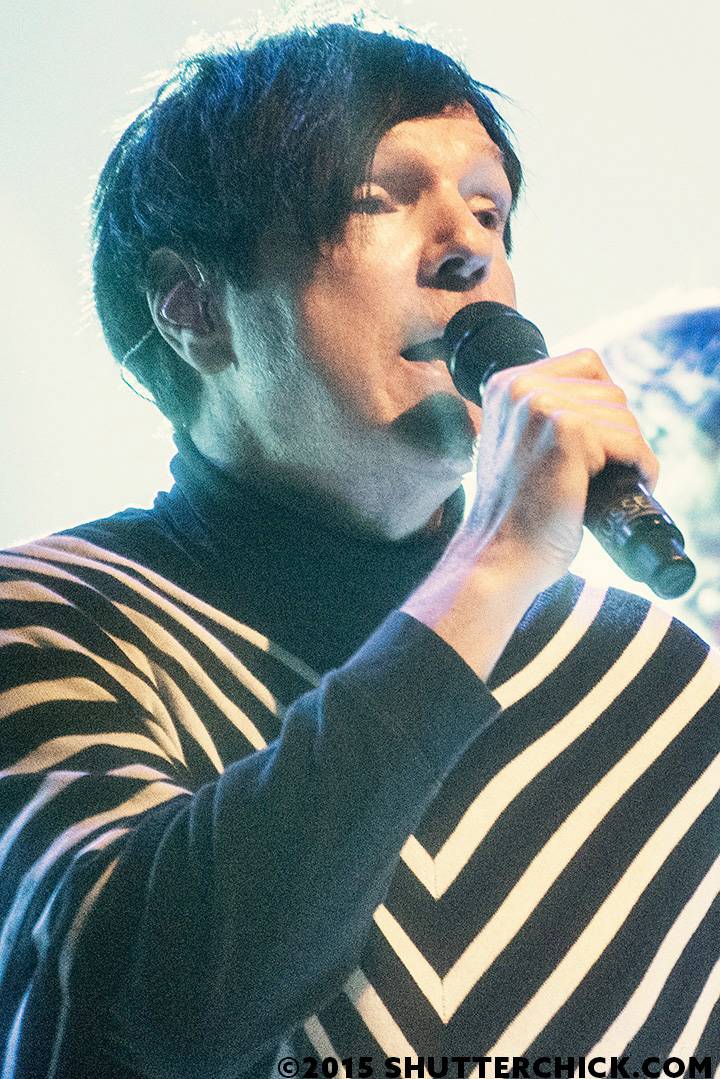
The two bands synced up shockingly well, trading off each other’s greatest hits like they’d been doing it for years. Sparks frontman Russell Mael easily kept pace with Franz’s hyper-kinetic Alex Kapranos, their voices working together with almost suspicious smoothness as they bounced between lead vocals and trickier, layered harmonies.
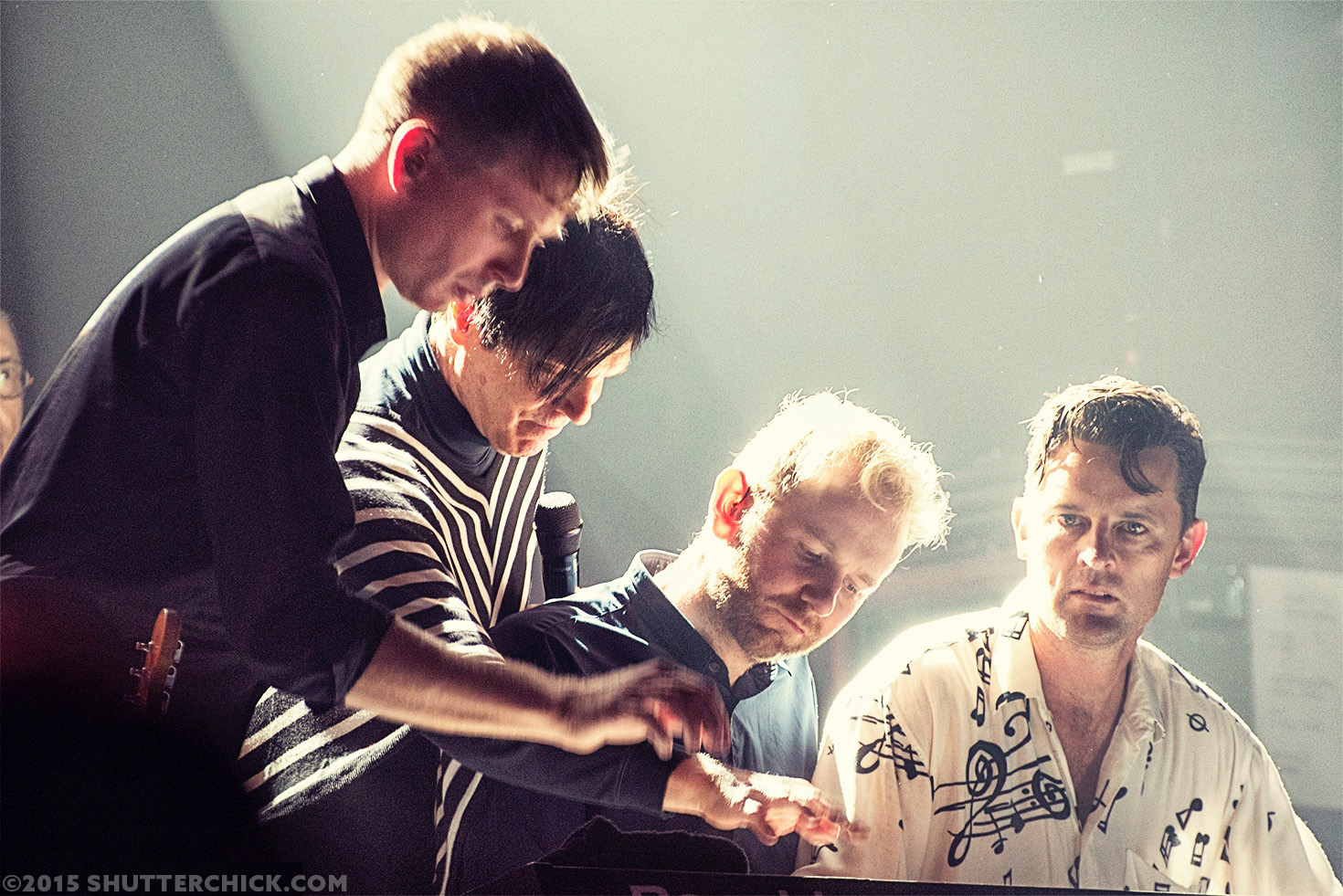
Sparks’ keyboardist Ron Mael stayed true to form presenting the inscrutable, wonderfully weird demeanor he’s perfected over the years. There was something endlessly entertaining about the way Franz Ferdinand’s Nick McCarthy, Bob Hardy, and Paul Thomson drifted in and out of his orbit. One of the night’s standout moments came during “Number One Song in Heaven,” when Mael abandoned his keyboard and moved to center stage for a quirky little dance break. It was strangely charming; completely unforgettable.
The entire evening was both odd and wonderful. The combination of the two bands seemed confusing on paper, but they made sense together on stage. There was a lot to love in the set list for fans of either band, and it was all just bizarre enough to feel a bit like getting a guitar to the face.